Lapland school trips · university field schools
Bring the syllabus into the Arctic.
Education-first Lapland trips for schools and universities, built around aurora science, Sami culture, Arctic biology and climate observation.
Trusted across Arctic logistics and learning-grade programmes - Apple TV+, MrBeast, Michelin, ITV.
Tell us the course
Let's shape the learning trip.
Inquiry received
Thank you. Stefan will be in touch within 24 hours.
We've recorded your brief. If you need Stefan before then, email stefan@xwander.com or call +358 40 558 7398.
A field trip should teach before it entertains.
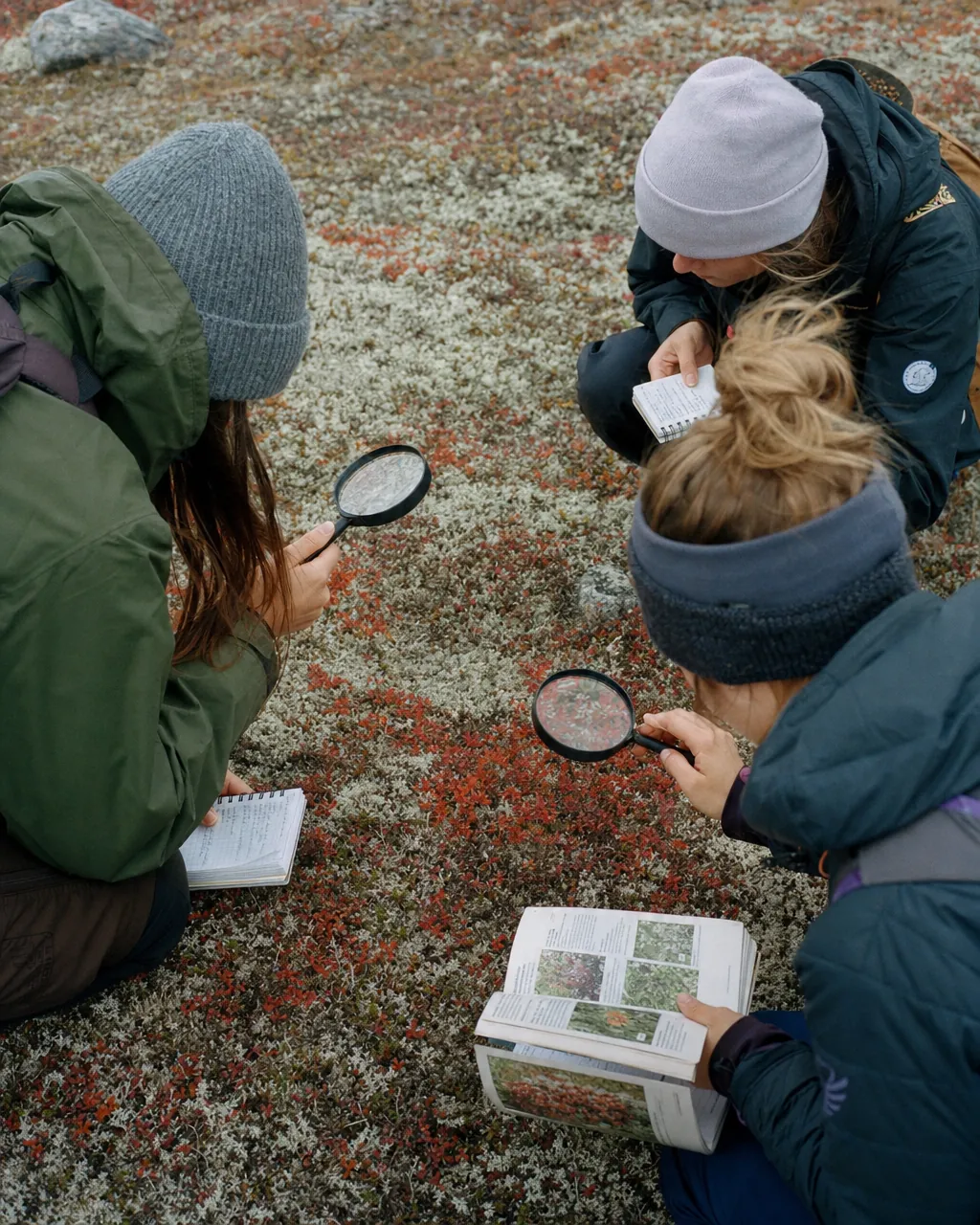
For a geography teacher, course leader or head of department, Lapland is not a novelty destination. It is a living classroom: aurora science, space weather, Arctic biology, climate observation, snow, light, land use, tourism pressure and Indigenous context in one landscape.
The UK school market knows Iceland and Sweden well. Finnish Lapland is the whitespace: Ivalo and Inari bring better northern geography, serious Sami cultural context and a local DMC that can split groups, brief guides and keep the programme educational from breakfast to lights out.
We build trips for secondary schools, sixth-form groups and universities with safety, ratios, risk assessment, dietary needs and learning outcomes treated as core logistics. The activities are there to carry the curriculum, not distract from it.
Education-first Nordic DMC
Curriculum-linked Arctic trips, run locally.
We support schools, universities and specialist tour operators with field programmes that connect the Arctic environment to real learning outcomes.
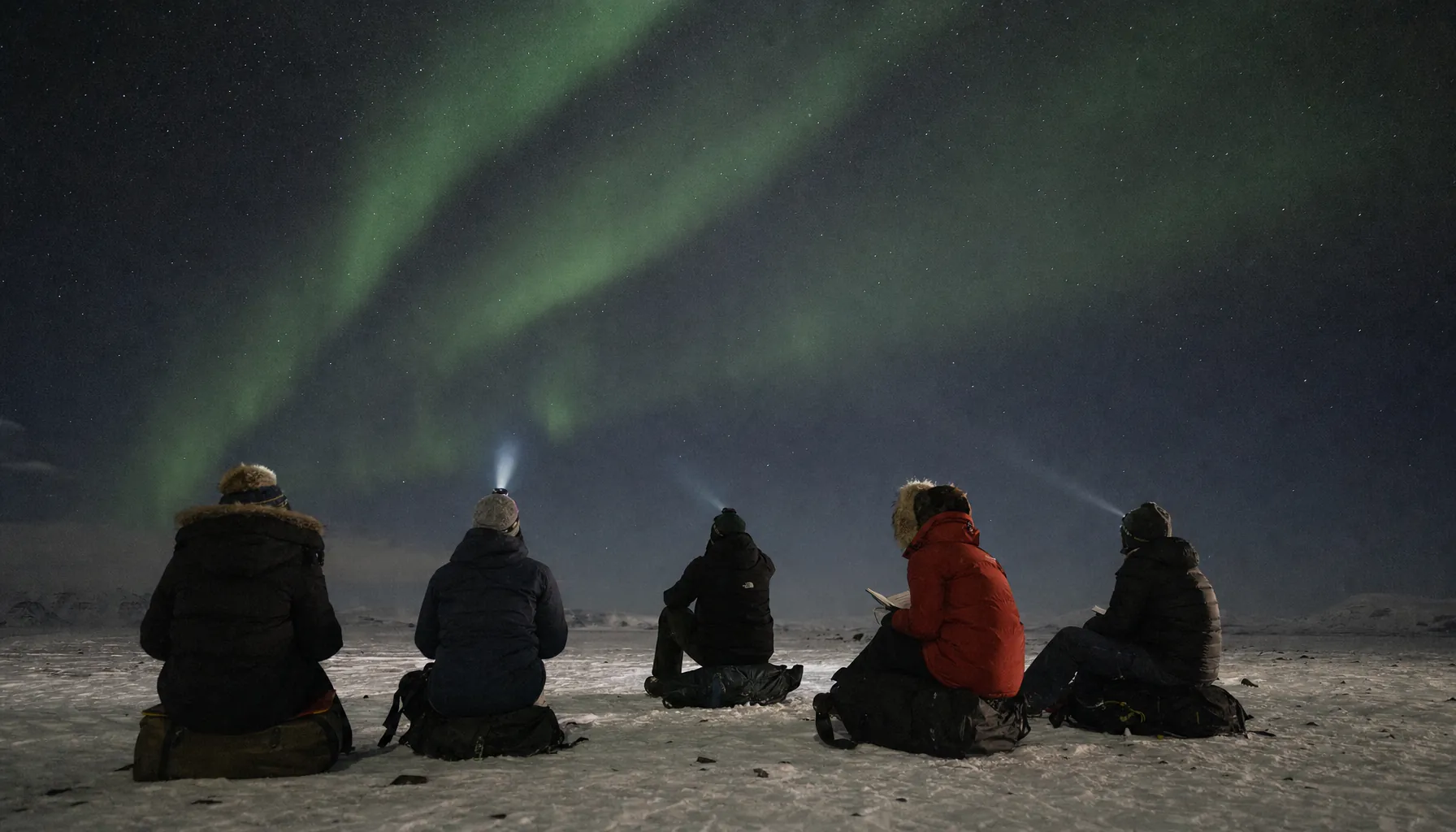
- Aurora science · space weather · night-sky observation
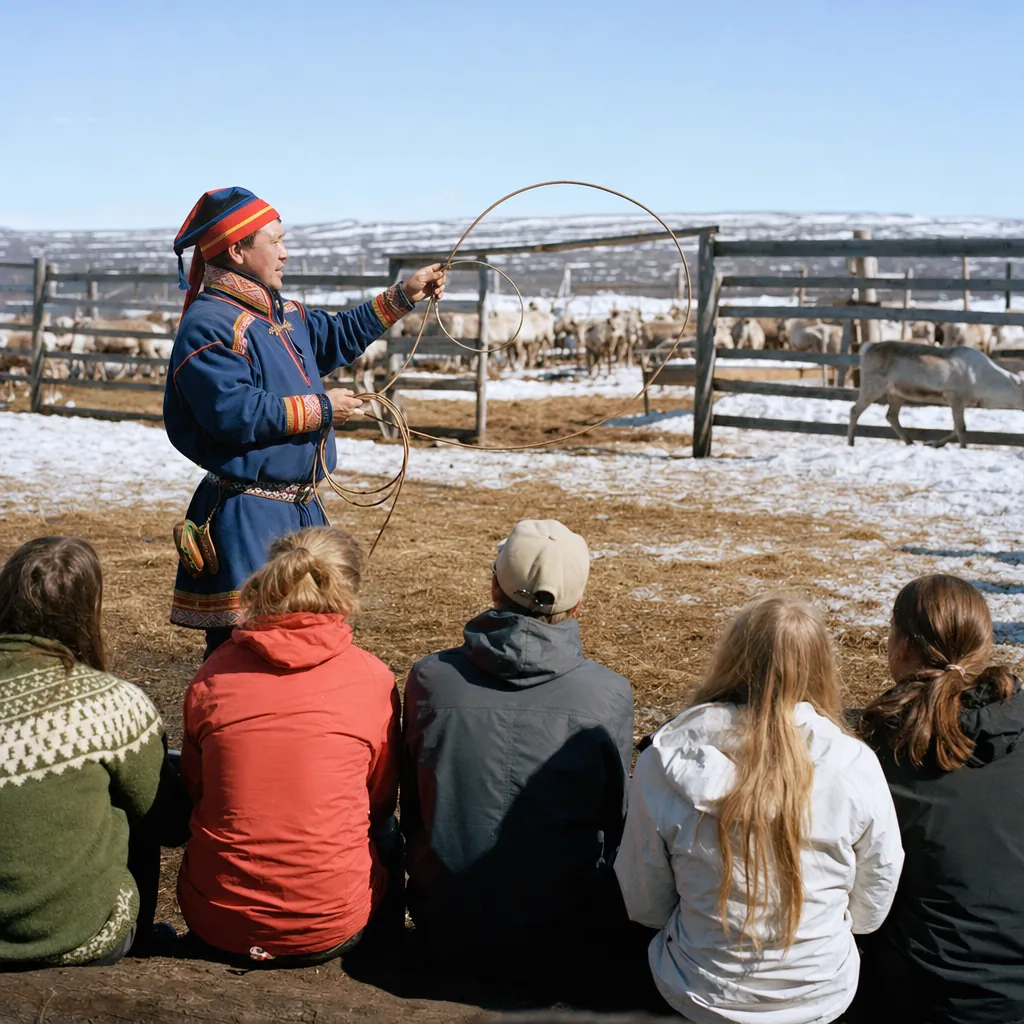
- Sami culture · Inari context · ethical interpretation
- Arctic biology · snow ecology · reindeer landscapes
- Climate observation · sustainability · tourism impacts
- Risk assessment · safeguarding · staff ratios
- Group logistics · transfers · split-guide operations
- Accommodation · student meals · dietary management
- University field schools · ECTS-ready programme support
Trusted across Arctic logistics and field operations
The fieldwork changes by season
Learning through the Arctic year.
Each season gives teachers and course leaders a different classroom, from snow physics and aurora to biology, tourism and climate observation.
-
Winter
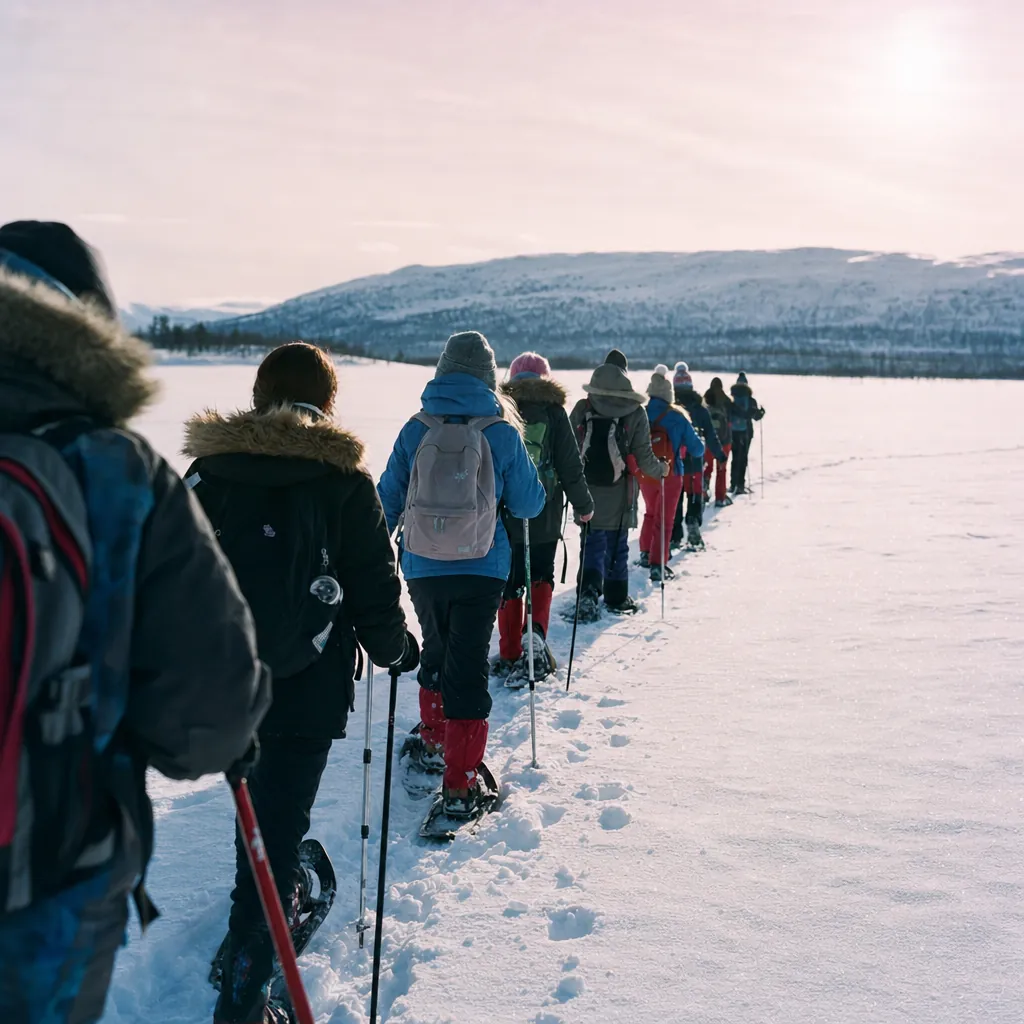
Winter is the strongest aurora and snow-science season. Students can study darkness, cold adaptation, frozen lakes, reindeer landscapes and Arctic safety while experiencing the conditions that make Lapland academically distinct.
-
Spring
Spring is practical for schools: longer daylight, reliable snow and slightly easier conditions. It suits geography and biology groups studying melt, snowpack, tourism seasonality and how Arctic communities move out of winter.
-
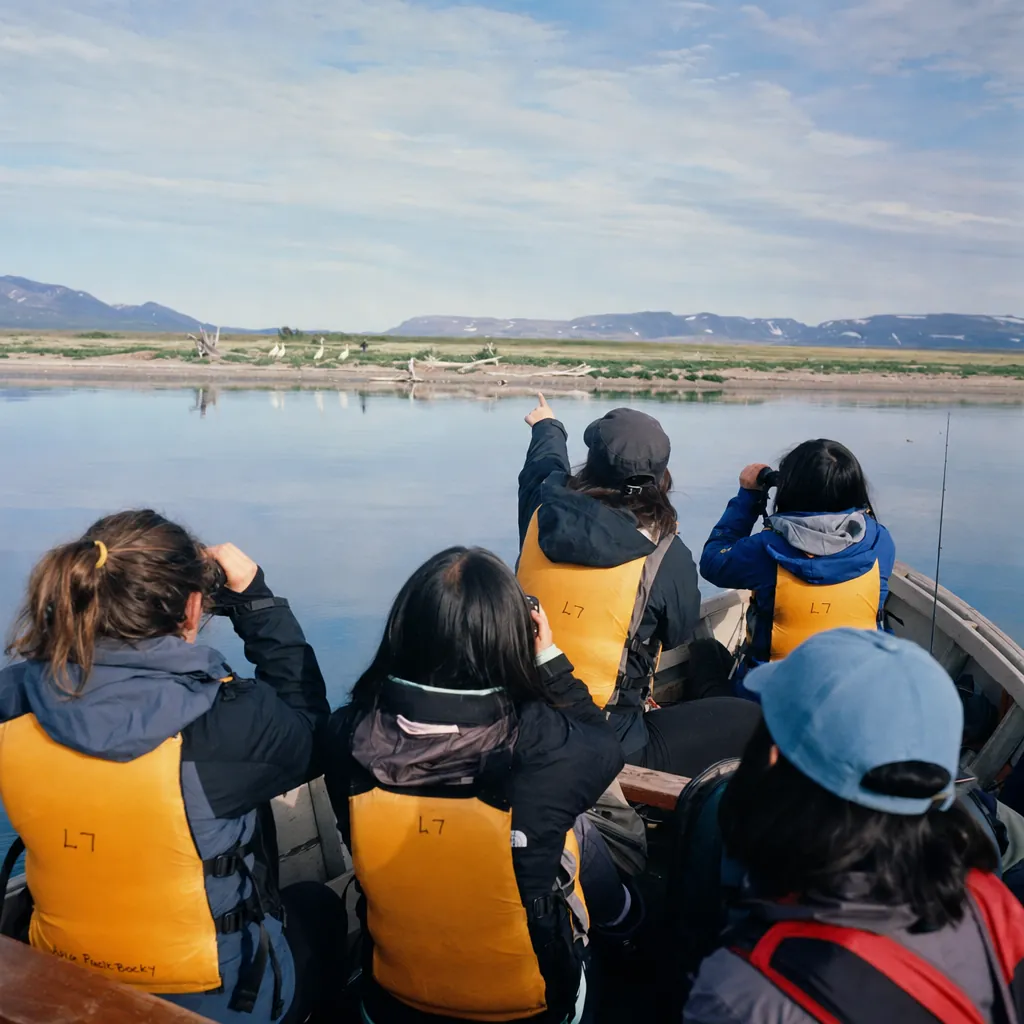
Summer
Summer opens midnight-sun ecology, wetlands, forests, lake systems and sustainability case studies. It is ideal for university field schools that need longer observation days, flexible seminars and less cold-weather overhead.
-
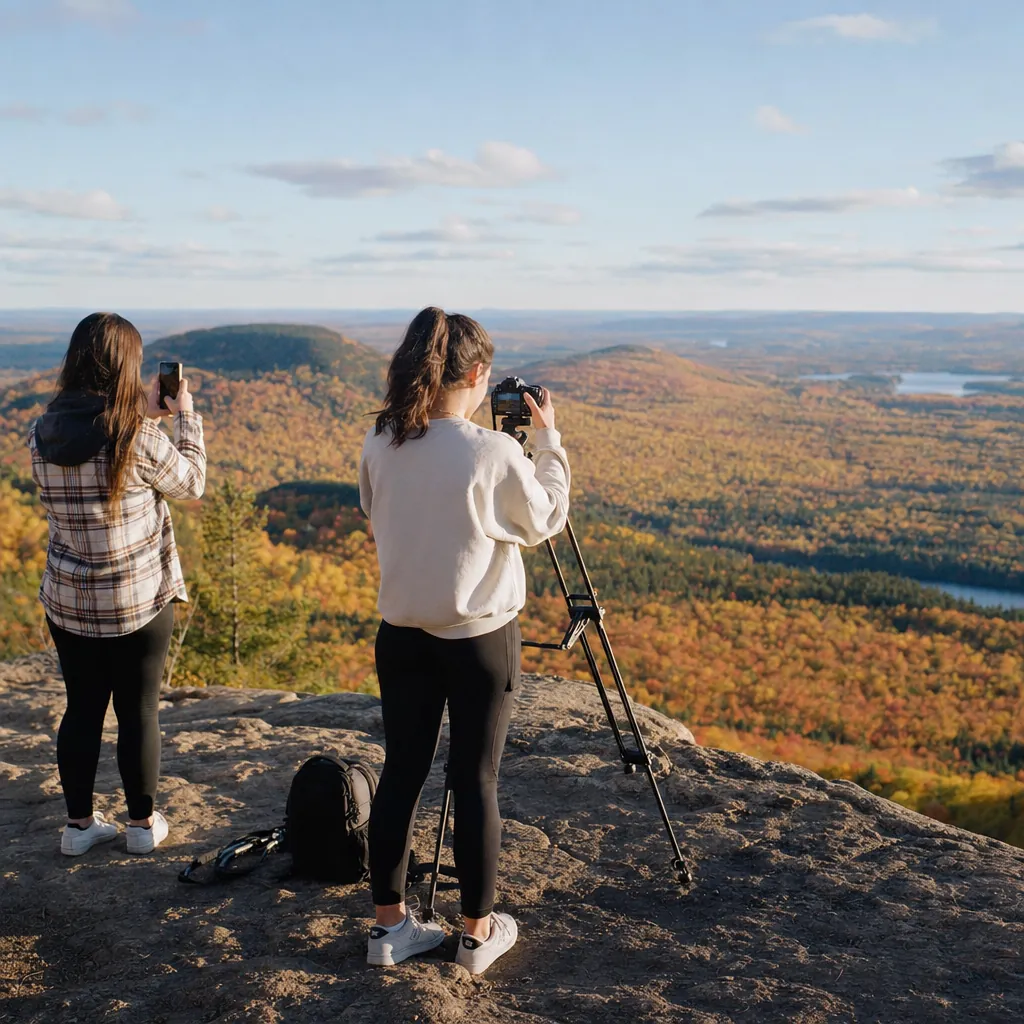
Autumn
Autumn brings ruska, berry season, cooler nights and the first aurora. It works well for climate observation, cultural geography, tourism impact studies and groups that need quieter conditions before winter demand rises.
The Sami traditionally recognise eight seasons in Lapland. For education, that becomes a teaching tool: students see how land, weather, mobility and culture follow a more precise Arctic calendar.
Plan a Lapland learning trip
Tell us what your students need to learn.
Share age range, subject, learning outcomes, preferred month, group size and safeguarding requirements. We will shape a field programme that fits the course and the Arctic.
Inquiry received
Thank you. Stefan will be in touch within 24 hours.
We've recorded your brief. If you need Stefan before then, email stefan@xwander.com or call +358 40 558 7398.