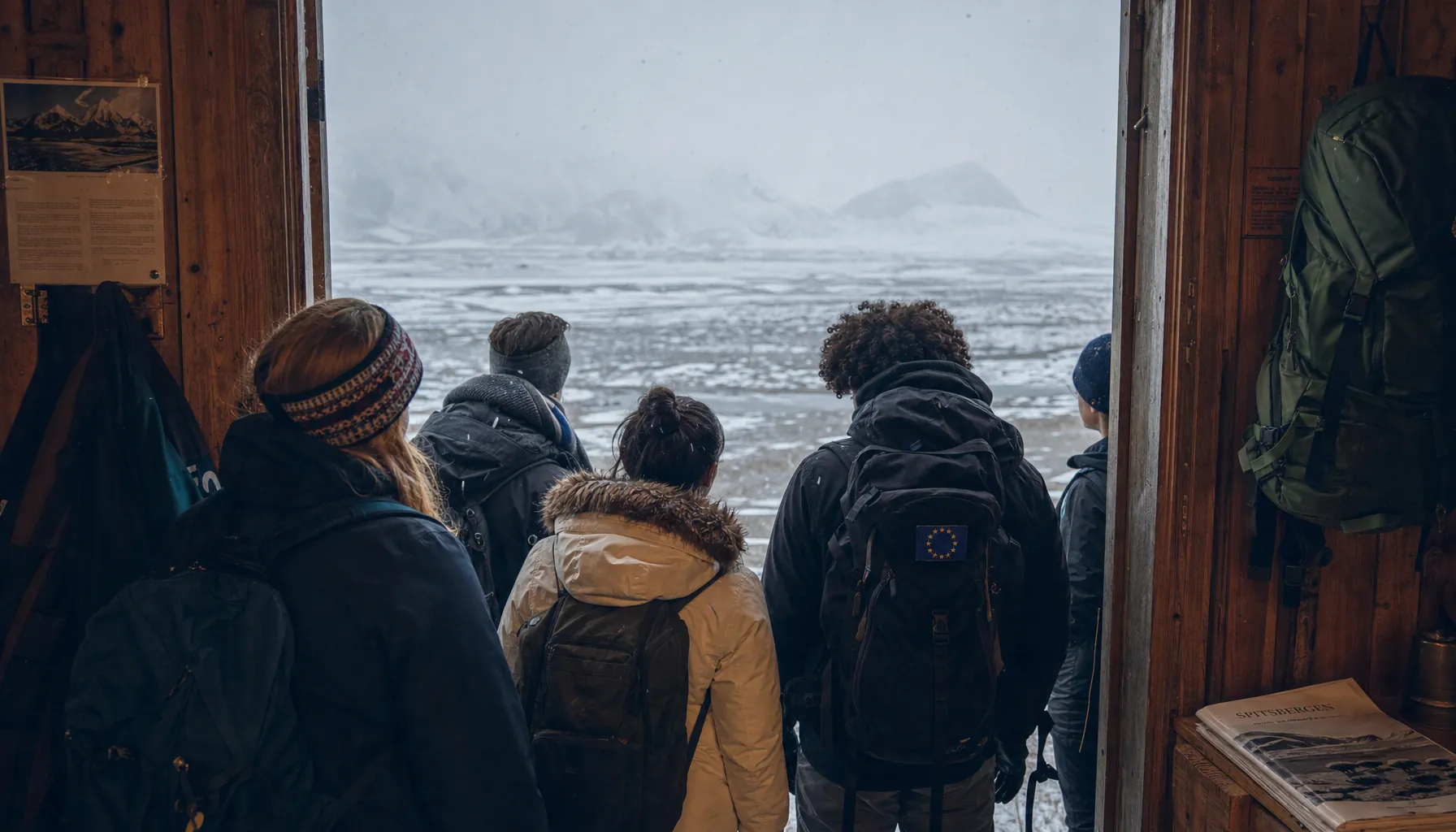
Erasmus+ Arctic programmes · BIP · KA131 · KA171
Bring Erasmus+ fieldwork to the Arctic.
Ready-to-host field logistics for Erasmus+ BIPs, KA131 and KA171 mobility in Finnish Lapland, aligned with the Programme Guide.
Trusted for Arctic logistics, field hosting and production discipline - Apple TV+, MrBeast, Michelin, ITV.
Tell us the call
Let's shape the Arctic field week.
Inquiry received
Thank you. Stefan will be in touch within 24 hours.
We've recorded your brief. If you need Stefan before then, email stefan@xwander.com or call +358 40 558 7398.
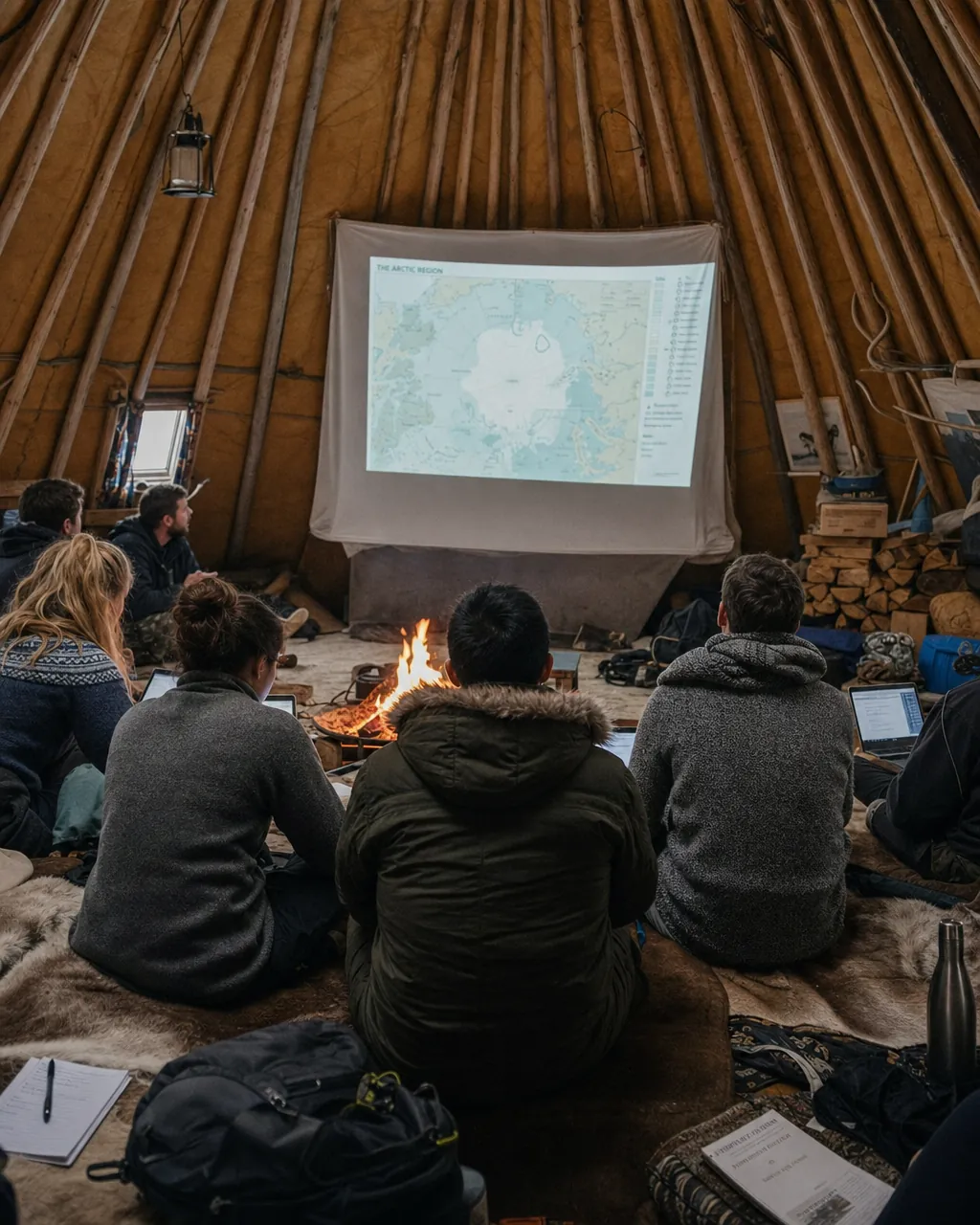
You bring the academic. We bring the Arctic.
Xwander Nordic is ready to host the field-logistics half of Erasmus+ programmes in Finnish Lapland. We are not a higher education institution and we do not issue ECTS. The university consortium owns the academic frame; we make the Arctic week work on the ground.
For Blended Intensive Programmes, the verified frame is clear: at least three HEIs from three Erasmus+ programme countries, at least ten mobile participants, five to thirty days of physical mobility, a virtual component and typically a 3 ECTS minimum for student mobility. Coordinator support is commonly EUR 4,000 to EUR 8,000.
KA131, KA171, BIPs, Sport and Youth mobility all need a host that understands timing, transfers, safety, multilingual guiding, food, rooms and field access. We reference the official Erasmus+ Programme Guide and shape a practical Arctic hosting package around your call.
Erasmus+ field-host logistics
Arctic mobility weeks, ready to host.
We support universities, coordinators and academic course leaders with ground logistics for short intensive programmes in Finnish Lapland.
- BIP hosting · 3 HEIs · 10 participants · 5-30 days
- KA131 mobility · programme-country groups · field weeks
- KA171 mobility · partner-country groups · Arctic access
- Virtual-to-physical planning · timetable support · brief packs
- Themes · climate · Sami knowledge · sustainability · ecology
- Accommodation · meals · transfers · classroom spaces
- Guides · field safety · multilingual group handling
- Budget bands · grant-aware planning · Programme Guide alignment
Trusted for Arctic logistics and field operations
Field mobility through the Arctic year
Choose the season that fits the course.
Erasmus+ mobility works best when the field week matches the learning outcome, not only the academic calendar.
-
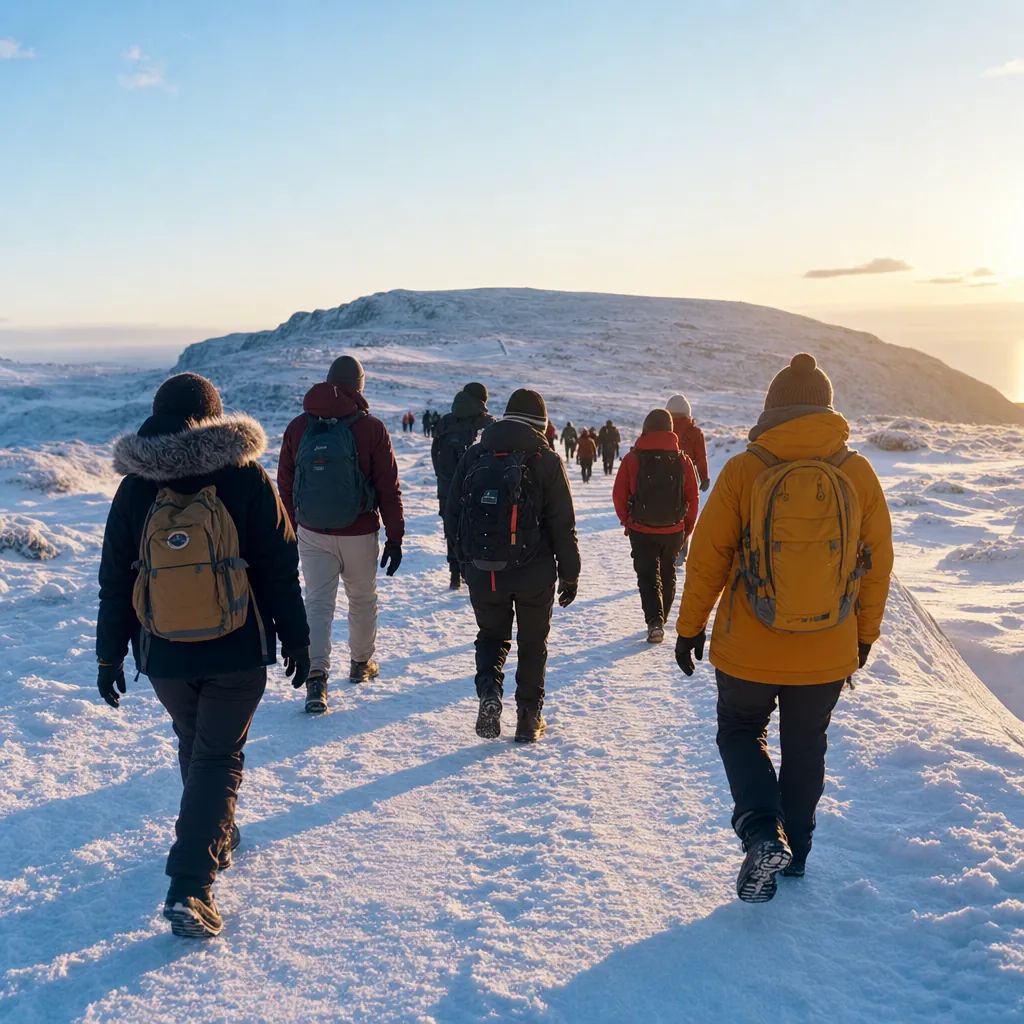
Winter
Winter suits Arctic climate, snow, darkness, aurora science, sport science and cold-adaptation themes. It requires stronger field safety planning, but gives students the clearest sense of why Lapland is academically different.
-

Spring
Spring is often the easiest academic window: daylight returns, snow remains and conditions are more manageable. It suits BIPs studying transition, melt, tourism seasonality, sustainability and practical field observation methods.
-
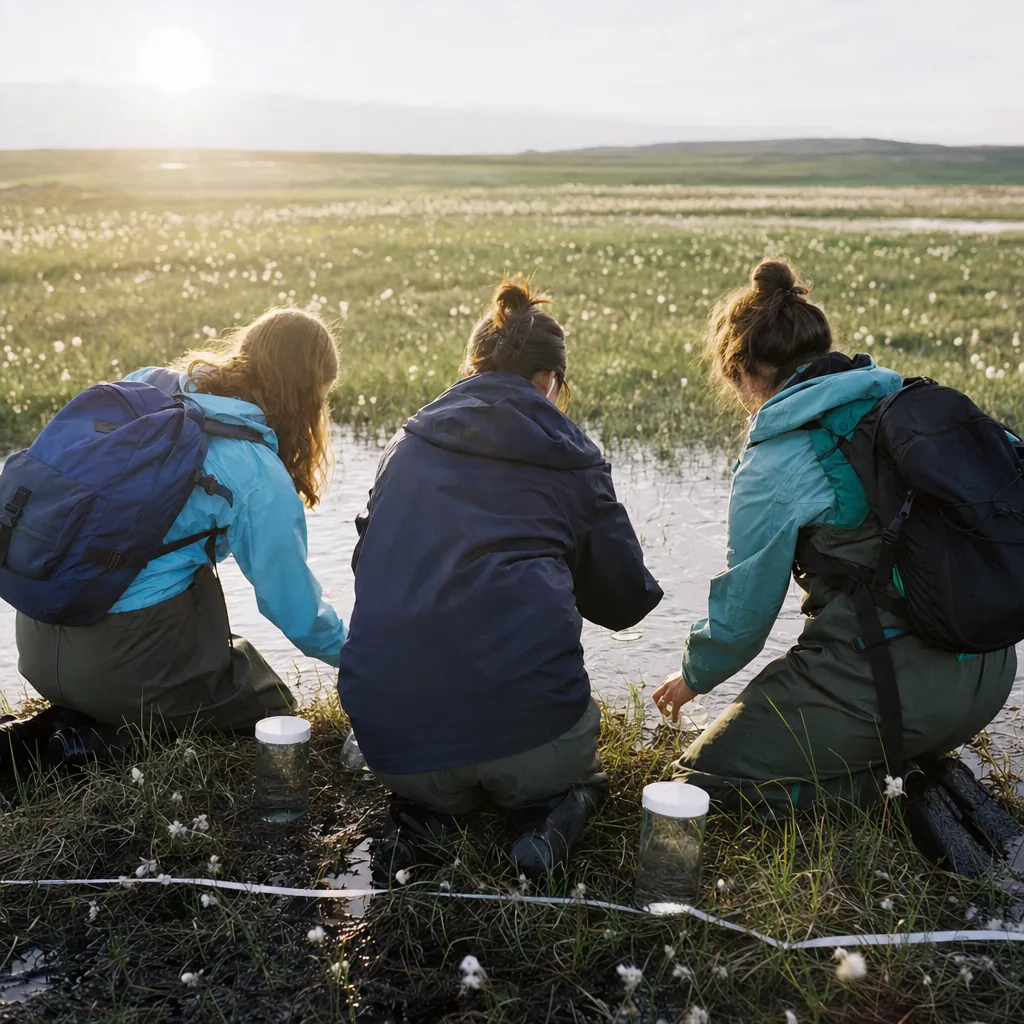
Summer
Summer gives midnight sun, long field days and lower equipment complexity. It works for ecology, Indigenous knowledge, sustainable tourism, Arctic geopolitics and mobility programmes that need outdoor seminars and extended observation.
-
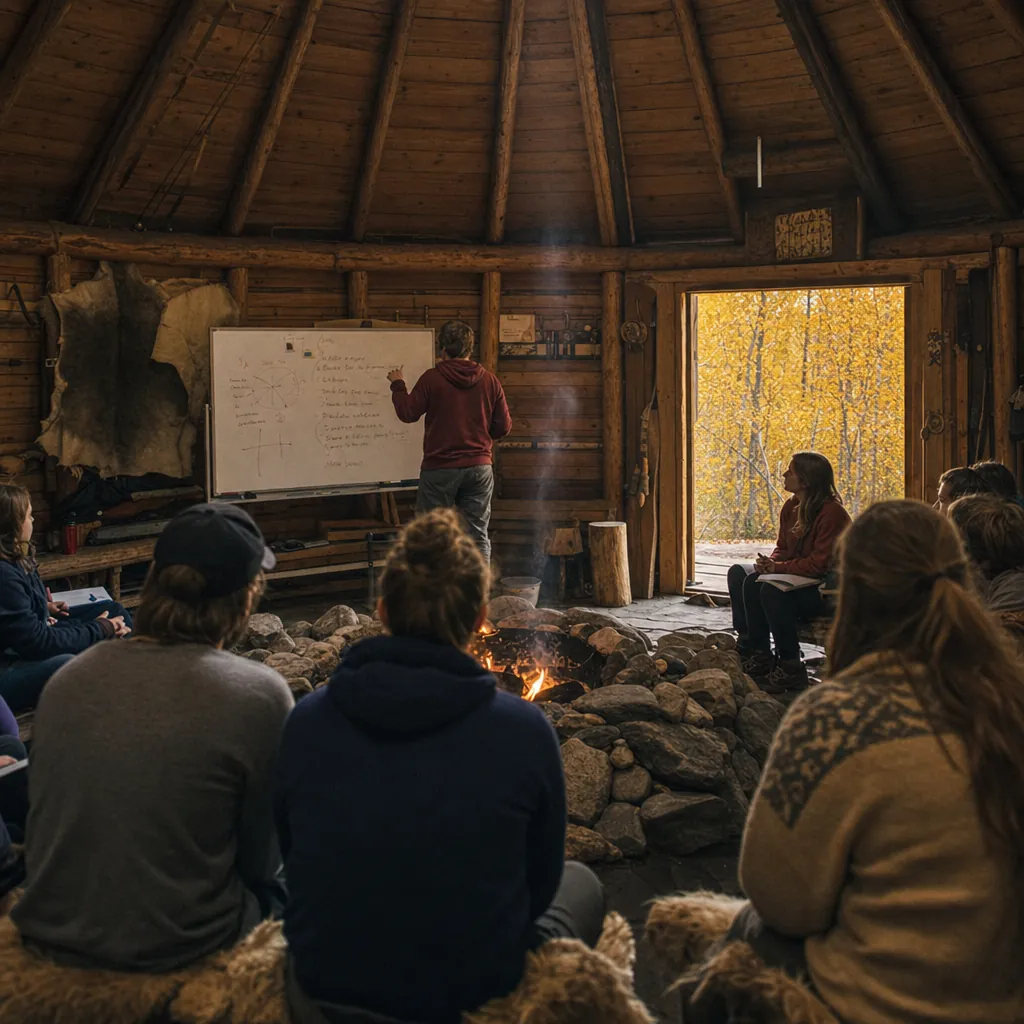
Autumn
Autumn brings ruska, cooler nights and a strong university rhythm. It suits pre-semester intensive courses, sustainability themes, aurora introductions and smaller KA131 or KA171 groups testing a new Arctic partnership.
The Sami eight-season calendar gives Erasmus+ groups a richer field frame: mobility, ecology, tourism and culture all read differently when students see the Arctic calendar in practice.
Plan an Erasmus+ Arctic programme
Tell us the Key Action and the field need.
Share whether you are exploring a BIP, KA131, KA171, Sport, Youth or another Erasmus+ route. We will respond as a field-host partner, ready to support the academic consortium.
Inquiry received
Thank you. Stefan will be in touch within 24 hours.
We've recorded your brief. If you need Stefan before then, email stefan@xwander.com or call +358 40 558 7398.